Battery backup, standby generator, or portable generator?
They solve different problems. Pick the type first, then the product. Here's how to tell which one you need in about a minute.
We earn a commission if you buy through our links. It never changes our picks. Details
Start here: which kind fits you
Battery backup
Best for: keeping essentials on, renters, apartments, medical devices.
- Powers
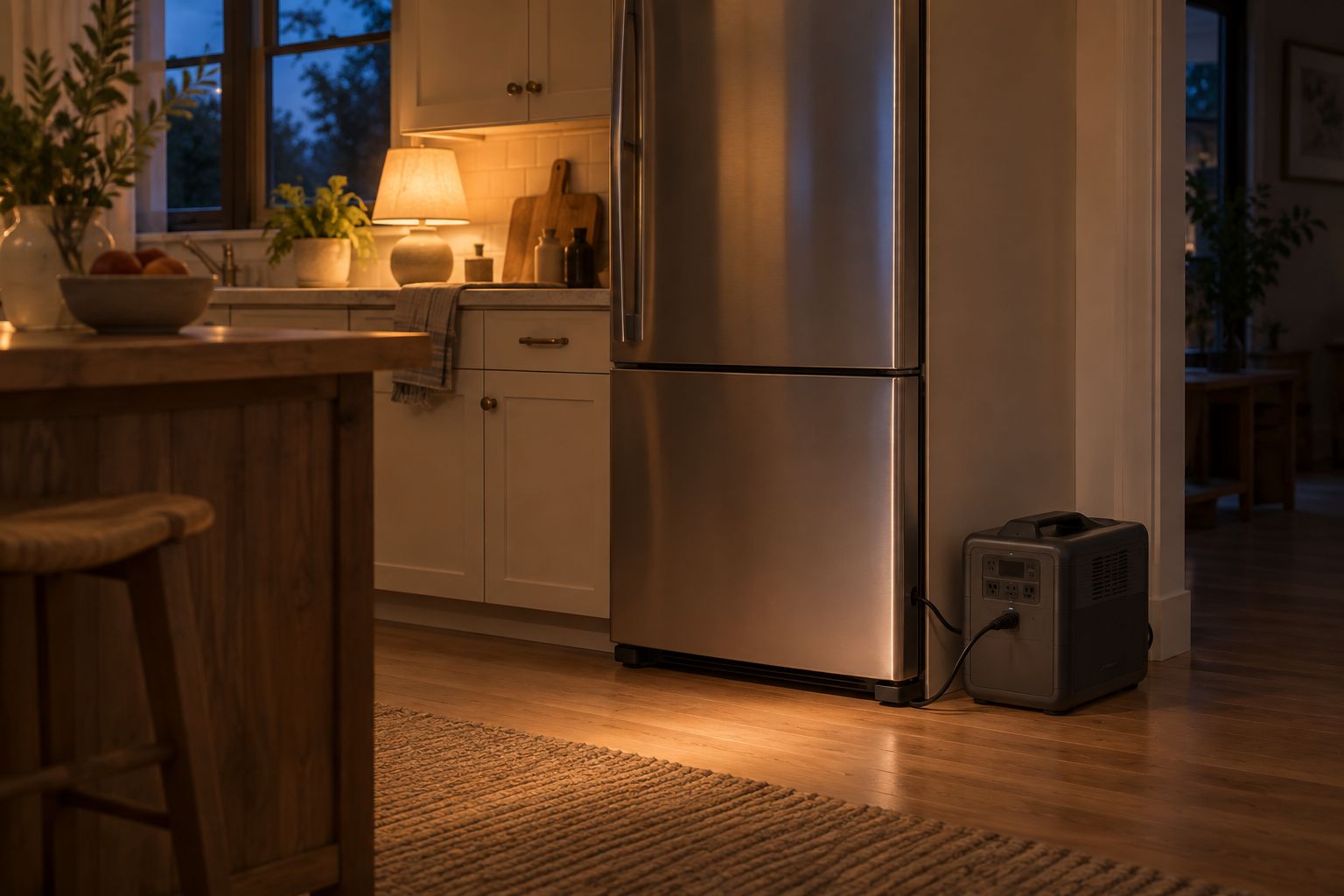
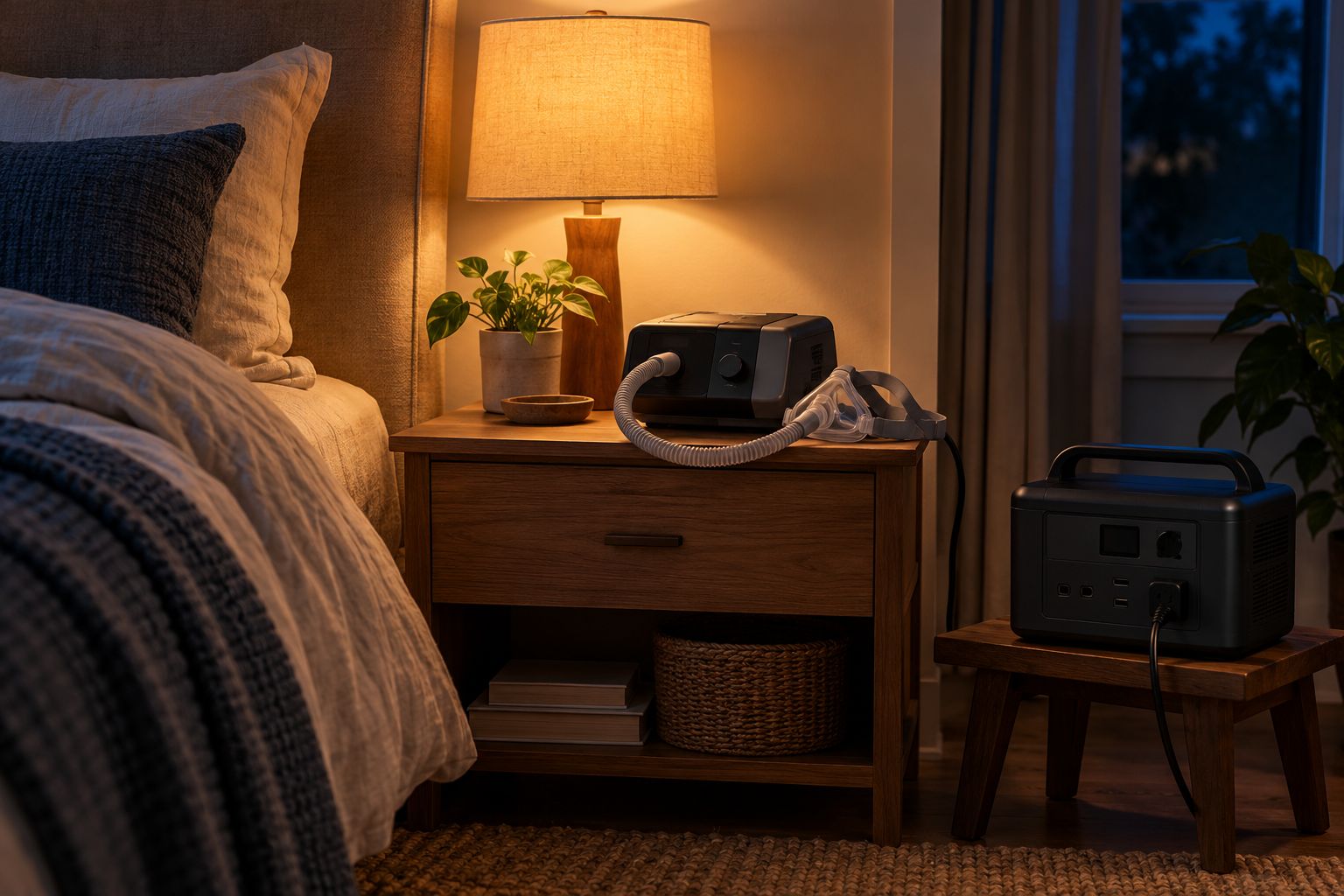
- A fridge, CPAP, Wi-Fi and lights. Big units add a few circuits.
- Indoors?
- Yes. No exhaust.
- Noise
- Near silent
- Setup
- Plug in. Optional transfer switch or inlet.
The catch: Runtime ends when the battery does, unless you recharge.
Battery guides →Standby generator
Best for: owners who want the whole house, including heat and AC.
- Powers
- Most or all of the home, for days.
- Indoors?
- Installed outside the house.
- Noise
- Like a lawn mower
- Setup
- Professional install, usually permitted.
The catch: Highest upfront cost, plus yearly service.
Portable generator
Best for: the lowest cost per hour of power, if you can run it outside.
- Powers
- Essentials through cords, or chosen circuits through an inlet.
- Indoors?
- Never. Carbon monoxide risk.
- Noise
- Loud
- Setup
- Cords, or an inlet box installed by an electrician.
The catch: You refuel it, run it outdoors, and store fuel.
Still not sure? Three questions
Do you need heat, AC or the whole house running? That points to a standby generator or a large wired-in home battery.
Do you rent, live in an apartment, or need it inside? A battery is the only option that's safe to run indoors.
Lowest upfront cost, and you can run it outside? A portable generator stretches furthest per dollar, as long as you keep it fueled.
How do the three compare side by side?
| Feature | Battery | Standby | Portable |
|---|---|---|---|
| Fuel | Wall outlet or solar | Natural gas or propane | Gasoline, some dual-fuel |
| Runs indoors | Yes | Installed outside | Never |
| Starts on its own | Some models | Yes | No |
| Upkeep | Very little | Annual service | Fresh fuel, oil changes |
| Permits | Only if wired in | Usually | Only for an inlet |
Portable generators: run outdoors only, away from windows and doors (CPSC).
Now the products
If a battery fits: our picks
Specs are the manufacturer's.
Best for most homes
EcoFlow DELTA 2 Max
2,048 Wh · 2,400 W · expands to 6,144 Wh Manufacturer spec
About a day of fridge plus CPAP and Wi-Fi, with room to add batteries.
Trade-off: About 50 lb, so it mostly stays in one room.
Most room to grow
Jackery Explorer 2000 Plus
2,042 Wh · 3,000 W · expands to 12 kWh Manufacturer spec
Same starting size with more output and the biggest expansion path.
Trade-off: Heavier than the DELTA 2 Max for the same capacity.
Closest to whole-home
Anker SOLIX F3800
3,840 Wh · 6,000 W · 120/240 V Manufacturer spec
Covers essentials for about a day; add batteries or solar for 2–3 days. Can feed a home panel with the right switch.
Trade-off: At 132 lb on wheels, it is closer to an appliance than a portable.
Common questions
Can I run a portable generator in the garage if the door is open?
No. Carbon monoxide builds up even with the door open, and the CPSC says to run portable generators outside, far from windows, doors and vents. A battery power station has no exhaust, which is why it's the only one of the three you can run indoors.
Is a battery or a generator cheaper?
A portable generator usually costs the least up front and per hour of power, as long as you store and rotate fuel. Batteries cost more per kWh but have almost no upkeep. A standby generator costs the most because it needs a professional install.
Do I need a transfer switch?
Only if you want the backup to power circuits in your panel instead of plugging things in directly. Wiring into the house needs an electrician and usually a permit, for a generator or a large battery alike.